Independent. Research-backed. Built by people who know these systems from the inside.
CLARA Standards was founded on a simple premise: children's digital safety requires independent voices — people who understand how these platforms actually work, who don't depend on tech industry funding, and who can speak plainly about what's broken and what can fix it.
CLARA Standards operates as a nonprofit (EIN 41-4174040). Its nonprofit registration in New Jersey is pending.
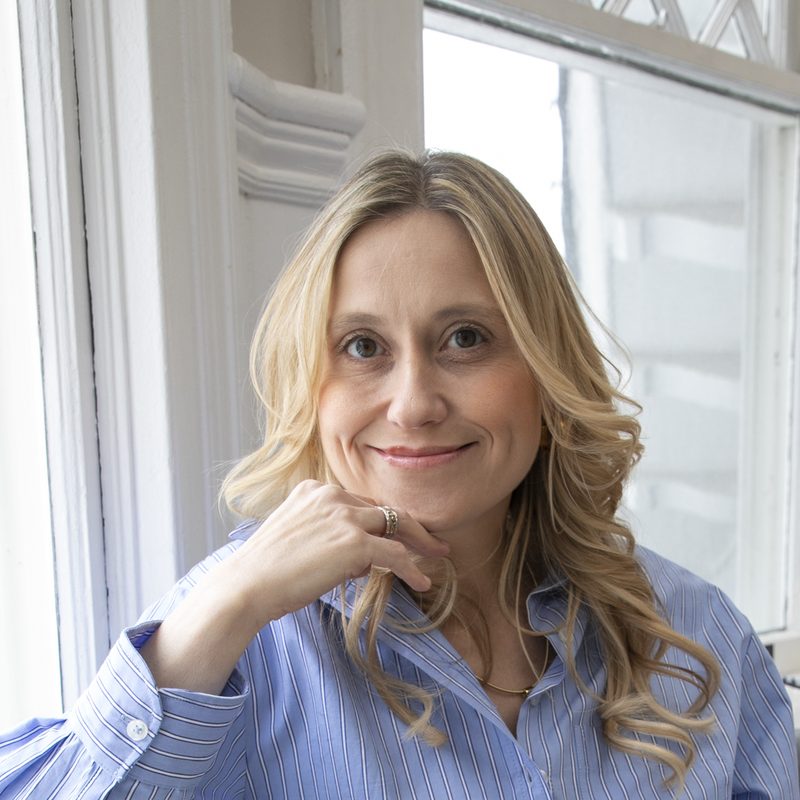
Anneke is a behavioral and computational social scientist. Before founding CLARA Standards, she spent nearly seven years at Meta, with her final two years focused on cross-platform age assurance research across Instagram, Facebook, and WhatsApp. That experience showed her that technical and behavioral influences on child safety must be studied together — and that the work must be done independently of the industry it evaluates.
Zack leads all technical development for CLARA Standards, including the Digital Safety Companion app, platform scoring infrastructure, and the data systems underlying CLARA Standards' research work. He holds a Master of Applied Positive Psychology (MAPP) from the University of Pennsylvania — an unusual combination of engineering and developmental science that shapes how CLARA Standards' tools are built.
Supporting the Team
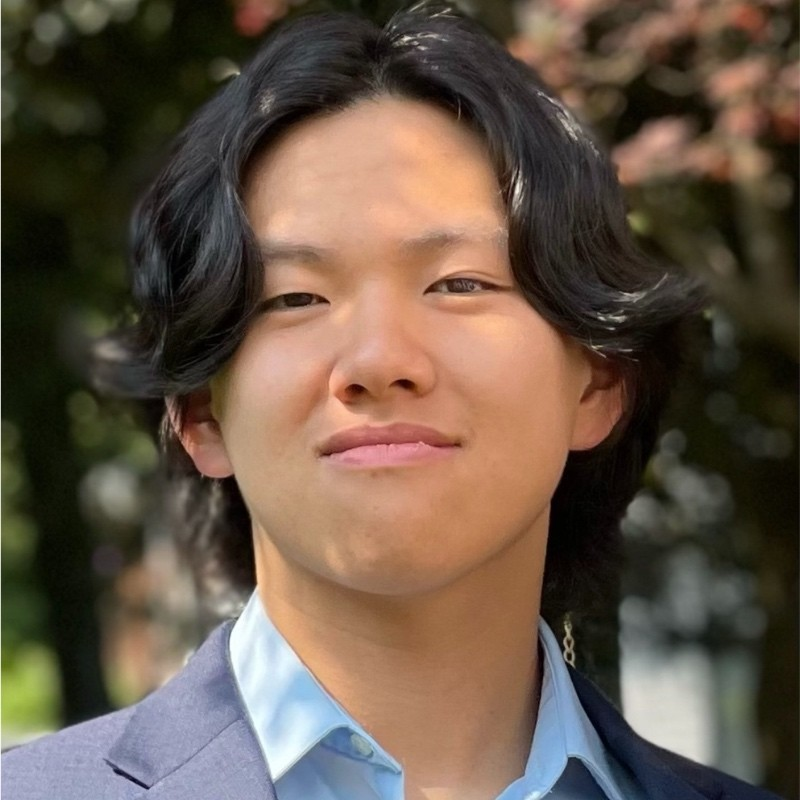
Bryan supports technical development at CLARA Standards, including the organization's website and scorecard infrastructure. He is a rising senior studying Computer Science at the University of Virginia, with experience spanning enterprise software, healthcare technology, and AI-enabled applications. He is particularly interested in designing systems that render complex, messy data legible, usable, and actionable — and looks forward to bringing that approach to CLARA Standards' digital tools.
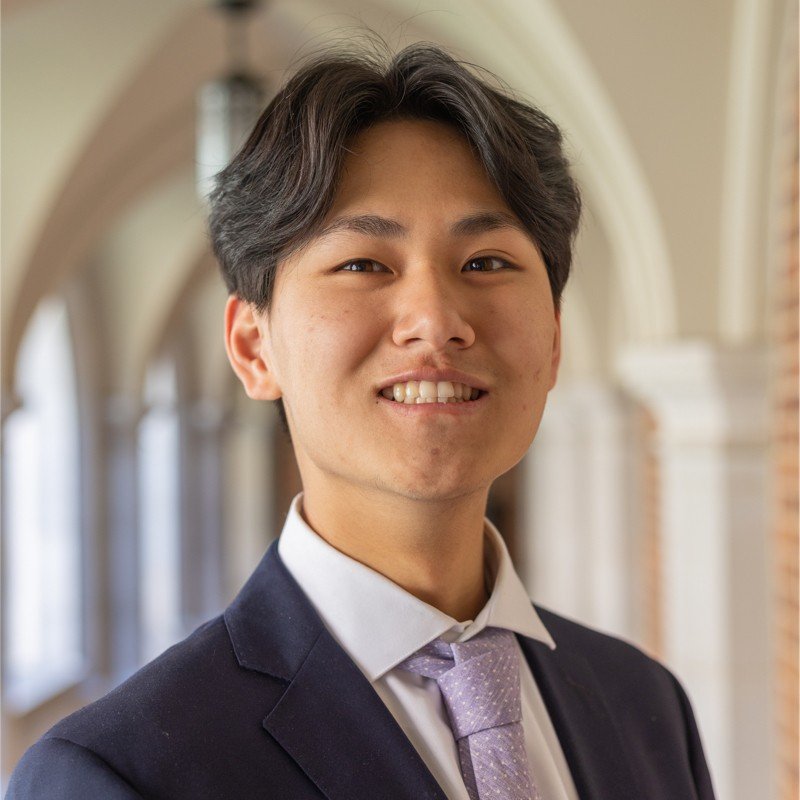
William is a journalist by trade, shaping CLARA Standards' public voice and identifying the funding opportunities that sustain its mission. His background spans entertainment reporting, media strategy, and digital humanities research. He holds a dual degree in English Literature and Human & Organizational Development, a combination that grounds his work in asserting the value of human-centered storytelling and design within fast-moving fields — a throughline that extends naturally to CLARA Standards' work protecting children in digital spaces.